
Products
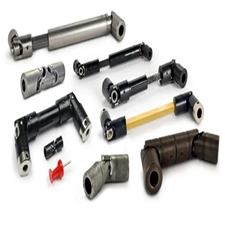
Linear Bearings
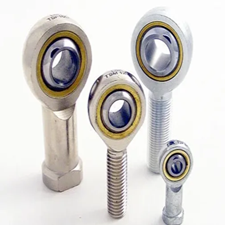
Rotating Gear
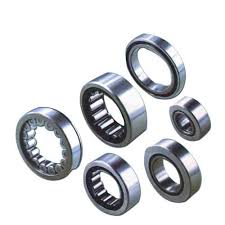
Coupling Bearings
Linear Bearings
Rotating Gear
Coupling Bearings
Categories Of Bearings
Rotary bearings, also known as rotating bearings, are essential mechanical components designed to support smooth rotational motion between moving parts. They reduce friction and enable components to rotate efficiently while carrying radial and/or axial loads.
These bearings are widely used in machinery where continuous rotation, durability, and precision are critical.
 How Rotary Bearings Work
Rotary bearings function by placing rolling elements (balls or rollers) between two rings:
- Inner Ring – rotates with the shaft
- Outer Ring – remains fixed in the housing
- Rolling Elements – reduce friction during rotation
As the shaft rotates, the rolling elements move between the rings, minimizing direct contact and ensuring smooth, low-friction rotation.
Types of Rotary Bearings
1. Ball Bearings
These use spherical balls to provide low friction and high-speed rotation, making them ideal for general applications.
2. Roller Bearings
Using cylindrical or tapered rollers, these bearings handle heavier loads and provide better durability.
3. Thrust Bearings
Designed specifically to handle axial (vertical) loads, commonly used in automotive and industrial systems.
4. Needle Bearings
Feature thin cylindrical rollers, allowing compact design with high load capacity.
5. Tapered Roller Bearings
Engineered to support both radial and axial loads simultaneously, widely used in automotive wheel hubs.
Coupling bearings refer to integrated or related mechanical components used to connect rotating shafts (couplings) while also providing support and smooth rotation (bearings). Together, they ensure efficient power transmission, proper alignment, and reduced vibration in rotating systems.These components are essential in machinery where continuous motion, load handling, and shaft alignment are critical. A coupling connects two rotating shafts to transmit torque, while the bearing supports the shaft and allows it to rotate with minimal friction.
In a combined system:
- The coupling transfers power from one shaft to another
- The bearing unit supports the shaft and maintains alignment
- Together, they reduce stress, vibration, and wear
Types of Coupling & Bearing Systems
1. Rigid Coupling with Bearings
Used where precise alignment is required. Provides strong connection but minimal flexibility.
2. Flexible Coupling with Bearings
Allows slight misalignment and absorbs vibration, improving durability and performance.
3. Gear Coupling with Bearing Support
Designed for high torque applications, commonly used in heavy machinery.
4. Fluid Coupling Systems
Use hydraulic fluid to transmit power smoothly and reduce shock loads.
5. Mounted Bearing Units (Plummer Block / Pillow Block)
Pre-assembled bearing housings that support shafts and are often used alongside couplings in industrial setups.
Linear bearings are precision-engineered components designed to enable smooth and accurate linear motion along a straight path. Unlike traditional rotary bearings that support rotational movement, linear bearings allow objects to move back and forth in a straight line with minimal friction.They are widely used in modern machinery where high precision, speed, and reliability are essential. How Linear Bearings WorkLinear bearings operate using either rolling elements (balls or rollers) or sliding surfaces to reduce friction between moving parts.A typical system consists of: A shaft or guide rail that provides the motion path A bearing block or carriage that moves along the rail Internal balls or rollers that ensure smooth movementAs the bearing moves, the rolling elements circulate within the housing, allowing continuous motion with minimal resistance.
Types of Linear Bearings
1. Ball Linear Bearings
These use recirculating steel balls to provide low-friction and high-speed motion, making them ideal for general-purpose applications.
2. Roller Linear Bearings
Designed with cylindrical rollers, these bearings offer higher load capacity and rigidity, suitable for heavy-duty machinery.
3. Plain (Sliding) Linear Bearings
These rely on direct surface contact instead of rolling elements. They are cost-effective and suitable for harsh environments, though they generate more friction.
4. Linear Guide Rails (LM Guides)
A highly precise system consisting of a rail and carriage, commonly used in CNC machines, robotics, and automation systems.
Rotary bearings, also known as rotating bearings, are essential mechanical components designed to support smooth rotational motion between moving parts. They reduce friction and enable components to rotate efficiently while carrying radial and/or axial loads.
These bearings are widely used in machinery where continuous rotation, durability, and precision are critical.
How Rotary Bearings Work
Rotary bearings function by placing rolling elements (balls or rollers) between two rings:
- Inner Ring – rotates with the shaft
- Outer Ring – remains fixed in the housing
- Rolling Elements – reduce friction during rotation
As the shaft rotates, the rolling elements move between the rings, minimizing direct contact and ensuring smooth, low-friction rotation.
Types of Rotary Bearings
1. Ball Bearings
These use spherical balls to provide low friction and high-speed rotation, making them ideal for general applications.
2. Roller Bearings
Using cylindrical or tapered rollers, these bearings handle heavier loads and provide better durability.
3. Thrust Bearings
Designed specifically to handle axial (vertical) loads, commonly used in automotive and industrial systems.
4. Needle Bearings
Feature thin cylindrical rollers, allowing compact design with high load capacity.
5. Tapered Roller Bearings
Engineered to support both radial and axial loads simultaneously, widely used in automotive wheel hubs.
Coupling bearings refer to integrated or related mechanical components used to connect rotating shafts (couplings) while also providing support and smooth rotation (bearings). Together, they ensure efficient power transmission, proper alignment, and reduced vibration in rotating systems.These components are essential in machinery where continuous motion, load handling, and shaft alignment are critical. A coupling connects two rotating shafts to transmit torque, while the bearing supports the shaft and allows it to rotate with minimal friction.
In a combined system:
- The coupling transfers power from one shaft to another
- The bearing unit supports the shaft and maintains alignment
- Together, they reduce stress, vibration, and wear
Types of Coupling & Bearing Systems
1. Rigid Coupling with Bearings
Used where precise alignment is required. Provides strong connection but minimal flexibility.
2. Flexible Coupling with Bearings
Allows slight misalignment and absorbs vibration, improving durability and performance.
3. Gear Coupling with Bearing Support
Designed for high torque applications, commonly used in heavy machinery.
4. Fluid Coupling Systems
Use hydraulic fluid to transmit power smoothly and reduce shock loads.
5. Mounted Bearing Units (Plummer Block / Pillow Block)
Pre-assembled bearing housings that support shafts and are often used alongside couplings in industrial setups.
Linear bearings are precision-engineered components designed to enable smooth and accurate linear motion along a straight path. Unlike traditional rotary bearings that support rotational movement, linear bearings allow objects to move back and forth in a straight line with minimal friction.They are widely used in modern machinery where high precision, speed, and reliability are essential. How Linear Bearings WorkLinear bearings operate using either rolling elements (balls or rollers) or sliding surfaces to reduce friction between moving parts.A typical system consists of: A shaft or guide rail that provides the motion path A bearing block or carriage that moves along the rail Internal balls or rollers that ensure smooth movementAs the bearing moves, the rolling elements circulate within the housing, allowing continuous motion with minimal resistance.
Types of Linear Bearings
1. Ball Linear Bearings
These use recirculating steel balls to provide low-friction and high-speed motion, making them ideal for general-purpose applications.
2. Roller Linear Bearings
Designed with cylindrical rollers, these bearings offer higher load capacity and rigidity, suitable for heavy-duty machinery.
3. Plain (Sliding) Linear Bearings
These rely on direct surface contact instead of rolling elements. They are cost-effective and suitable for harsh environments, though they generate more friction.
4. Linear Guide Rails (LM Guides)
A highly precise system consisting of a rail and carriage, commonly used in CNC machines, robotics, and automation systems.